Home Unforgettable Cities Story of a Nation Articles and Insights
Conflict Archive

Syrian Revolution and War: 2011 to Today

A deep dossier covering uprising origins, military escalation, sieges, interventions, detention, displacement, economy, and unresolved political files from 2011 onward.

Scroll Down

Before 2011: Political Structure and Pressure Build-Up

For years before 2011, Syria was shaped by centralized power, broad security control, emergency-style governance legacies, and restricted political space. Social pressure increased due to corruption complaints, youth unemployment, rural stress, and widening trust gaps between state institutions and large segments of society.

March 2011: Daraa and the Protest Wave

Early protests in Daraa and other cities were driven by calls for dignity, reforms, and release of detainees. As demonstrations spread, confrontation hardened, funerals became protest sites, and local grievances connected into a national political moment.

Security Crackdown and Detention System

Arrests, raids, and expanding detention practices became central to the conflict trajectory. Families across provinces reported disappearances and long-term uncertainty about missing relatives, making the detention file one of the most painful and persistent issues in Syrian public life.

2012-2013: Militarization and Territorial Fragmentation

As armed opposition formations expanded, state-opposition conflict shifted from protest management to multi-front warfare. Local councils emerged in some areas, while logistics corridors, checkpoints, and weapon flows transformed everyday movement and governance patterns.

Sieges, Encirclement, and Urban Destruction

Multiple cities and districts experienced prolonged siege conditions, severe shortages, and infrastructure collapse. Places such as parts of Homs, Eastern Ghouta, Aleppo districts, and other contested areas became symbols of starvation pressure, bombardment cycles, and forced displacement pathways.

Chemical Weapons Allegations and International Red Lines

Chemical incidents became a defining global flashpoint. Debates over accountability, verification, deterrence, and enforcement exposed deep international divisions and reinforced how Syrian events were tied to wider geopolitical confrontation.

ISIS, Counter-ISIS War, and New Frontlines

The rise of ISIS altered conflict priorities and territorial maps, especially in eastern and northern Syria. Counter-ISIS campaigns defeated its territorial project in key centers, but left behind destroyed infrastructure, governance vacuums, and complex security aftershocks.

Regional and Global Interventions

Different state actors backed different partners through military operations, advisors, air power, and financial channels. The result was a layered war in which local communities often carried the heaviest consequences of external strategic competition.

Negotiation Tracks: Geneva, Astana, and Stalled Politics

Diplomatic efforts produced rounds of talks, local arrangements, and de-escalation formulas, yet no comprehensive political settlement. Constitutional debate, security guarantees, detainee access, and return frameworks remained incomplete or contested.

Displacement, Refugees, and Social Rupture

Millions were displaced internally and externally, creating long-term disruption in schooling, health continuity, property records, and family networks. Host communities, cross-border aid systems, and diaspora support became crucial pillars for Syrian survival.

Economy, Sanctions, and Daily Hardship

Currency decline, service deterioration, fuel shocks, sanctions pressure, and war economy practices pushed households into chronic vulnerability. Even in relatively quieter zones, livelihoods, transport, electricity, and medicine access remained unstable.

After 2018 and Especially After 2023

Large frontlines changed, but fragmentation persisted across zones with distinct institutions and security actors. The 2023 earthquake added humanitarian pressure, while local protests in some provinces reflected persistent demands around dignity, livelihoods, and governance.

What Is Still Unresolved

Core files remain open: political transition design, detainees and missing persons, durable return conditions, security sector future, property rights, and accountability mechanisms. This is why the Syrian revolution-war file remains active history, not a closed chapter.
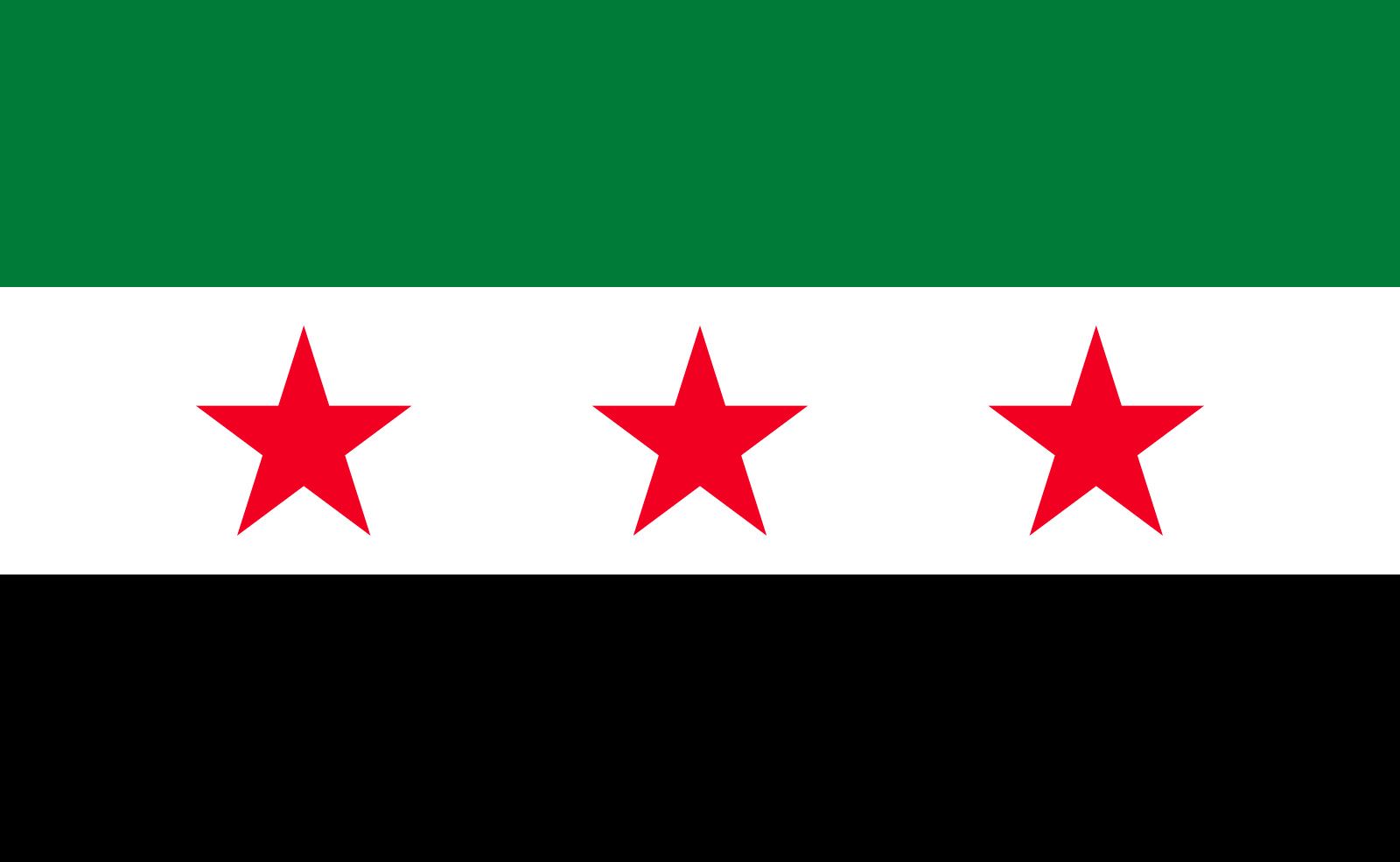
Chronology: 2011 to Present

2011

Uprising and repression cycle

Protests expand from Daraa to many cities; arrests, lethal force reports, and funerals intensify mobilization.

2012

Large-scale militarization

Armed conflict expands in Damascus outskirts, Aleppo, Homs, Idlib, and other fronts; displacement accelerates.

2013

Sieges and chemical flashpoint

Siege warfare deepens in multiple areas while chemical allegations trigger major global confrontation.

2014

ISIS territorial expansion

ISIS consolidates major territory; conflict map becomes more complex with parallel wars and governance collapse.

2015

External military shift

Direct international military intervention changes battlefield momentum and strategic calculations.

2016

Battle of Aleppo

Aleppo becomes a defining urban battle with intense humanitarian consequences and major strategic impact.

2017

Raqqa campaign and Astana track

Counter-ISIS operations reshape east/northeast maps while Astana frameworks introduce de-escalation formulas.

2018

Eastern Ghouta and southern offensives

Major opposition areas contract through offensives, agreements, evacuations, and reconfigured control lines.

2019

Northeast operations

Cross-border operations and changing partnerships alter security architecture in the northeast.

2020

Northwest escalation and ceasefire

Intense clashes in Idlib theater are followed by fragile ceasefire arrangements and recurring violations.

2021

Political stalemate deepens

Institutional deadlock continues while daily life worsens through inflation, fuel stress, and service shortages.

2022

Economic pressure and local unrest

Currency deterioration and livelihood collapse produce broader social strain across government and non-government zones.

2023

Earthquake shock and new protests

The earthquake multiplies humanitarian need; local protest waves in some provinces revive dignity-livelihood demands.

2024

Entrenched fragmentation

Control zones remain fragmented with uneven governance, recurring insecurity, and limited recovery capacity.

2025

Aid gaps and survival economy

Funding uncertainty and weak institutions increase dependence on coping networks, remittances, and informal markets.

2026

Unresolved transition

Core files remain open: detainees, safe return, accountability, institutional reform, and sustainable political settlement.

By Province in the Revolution

14 provinces shown

Aleppo Province

Major urban battleground with prolonged frontline shifts and heavy urban destruction.

Open province revolution dossier
  • Where: Aleppo city east/west sectors, northern countryside corridors.
  • What happened: Multi-year battles, siege-style conditions, and neighborhood-by-neighborhood military change.
  • Why it mattered: Aleppo was a strategic economic and symbolic center; controlling it shifted national momentum.
  • Detention / Saydnaya file: Arbitrary detention and disappearance reports were documented across conflict years.
  • Chemical dossier / red lines: Chemical allegations appeared in the wider Aleppo theater in conflict reporting; narratives remain contested by parties.
Open source references

Damascus Province

Political-administrative core where security policy and war governance were centered.

Open province revolution dossier
  • Where: Damascus city institutions, security branches, and central command areas.
  • What happened: Decision-making hub for military-security responses, legal exceptionalism, and conflict-era administration.
  • Why it mattered: Control of the capital meant control of central institutions, diplomacy, and state continuity.
  • Detention / Saydnaya file: Damascus linked to major detention-processing chains and military court pathways.
  • Chemical dossier / red lines: No primary mass-casualty chemical site in central Damascus city in the core dossier; policy decisions and international reactions were centered here.
Open source references

Rural Damascus

Critical siege-displacement belt around the capital with major humanitarian shocks.

Open province revolution dossier
  • Where: Eastern Ghouta, Douma, Daraya, Zamalka, and surrounding Damascus countryside.
  • What happened: Sieges, bombardment, evacuations, and large population displacement over multiple years.
  • Why it mattered: The area was both militarily adjacent to the capital and politically central to confrontation narratives.
  • Detention / Saydnaya file: Saydnaya/Sednaya prison is in this governorate and is repeatedly cited in detention and disappearance files.
  • Chemical dossier / red lines: Major chemical dossiers are tied to this province, especially Eastern Ghouta (2013) and Douma (2018), both central to global red-line debates.
Open source references

Daraa Province

Starting point of early protest mobilization and later reconciliation-security tension.

Open province revolution dossier
  • Where: Daraa city and towns across western and eastern countryside.
  • What happened: Initial demonstrations, armed phases, settlement arrangements, and recurring local unrest after agreements.
  • Why it mattered: Daraa shaped the opening narrative of the uprising and remained politically symbolic.
  • Detention / Saydnaya file: Arrest campaigns and post-settlement detention concerns remained a persistent local grievance.
  • Chemical dossier / red lines: No flagship chemical dossier in Daraa like Ghouta or Khan Shaykhun, but international red-line politics affected all fronts.
Open source references

Deir ez-Zor Province

Eastern conflict theater shaped by ISIS control and anti-ISIS campaigns.

Open province revolution dossier
  • Where: Deir ez-Zor city, Euphrates valley towns, and oil-linked rural zones.
  • What happened: Siege episodes, ISIS governance periods, coalition operations, and infrastructure collapse.
  • Why it mattered: The province links energy resources, cross-border routes, and strategic river corridors.
  • Detention / Saydnaya file: Detention/abduction patterns involved multiple actors during changing control phases.
  • Chemical dossier / red lines: No primary high-profile chemical dossier here in the core international legal files.
Open source references

Hama Province

Province with recurrent frontline pressure and major rural-security strain.

Open province revolution dossier
  • Where: Northern Hama countryside and adjoining front corridors toward Idlib.
  • What happened: Offensives, artillery exchanges, displacement cycles, and repeated line instability.
  • Why it mattered: Hama front geography formed a hinge between central Syria and northwest battle maps.
  • Detention / Saydnaya file: Detention concerns were repeatedly reported in conflict and post-operation periods.
  • Chemical dossier / red lines: Chemical allegations in the broader Hama-Idlib axis appeared in international discussions, including incidents cited in legal dossiers.
Open source references

Homs Province

Symbolic conflict province marked by sieges, severe damage, and difficult return files.

Open province revolution dossier
  • Where: Homs city districts plus rural corridors linking central and western routes.
  • What happened: Early armed confrontations, prolonged siege conditions in key neighborhoods, and phased recapture dynamics.
  • Why it mattered: Homs was a geographic connector and symbolic center of early anti-government mobilization.
  • Detention / Saydnaya file: Detention and disappearance claims became central to family-level trauma in the province.
  • Chemical dossier / red lines: Chemical allegations were discussed in relation to parts of Homs governorate in conflict documentation.
Open source references

Idlib Province

Main northwest enclave with high displacement concentration and recurring escalation.

Open province revolution dossier
  • Where: Idlib city, Jabal al-Zawiya, Maarrat al-Numan axis, and border-adjacent zones.
  • What happened: Large displacement influx, aerial campaigns, de-escalation deals, and repeated breakdowns of ceasefire terms.
  • Why it mattered: Idlib became the primary opposition-held concentration zone after multiple evacuations from other provinces.
  • Detention / Saydnaya file: Detention/abduction patterns involved multiple armed actors and security entities.
  • Chemical dossier / red lines: Khan Shaykhun (2017, Idlib governorate) is one of the key chemical dossiers referenced in red-line and accountability debates.
Open source references

Latakia Province

Strategic coastal governorate tied to logistics, military depth, and population movements.

Open province revolution dossier
  • Where: Latakia city, mountain hinterland, and lines adjacent to Idlib fronts.
  • What happened: Rear-base military logistics, periodic security incidents, and war-economy pressure on services.
  • Why it mattered: Coastal depth provided strategic support corridors and institutional continuity leverage.
  • Detention / Saydnaya file: Detention concerns exist, though public focus often centered on front-adjacent provinces.
  • Chemical dossier / red lines: No flagship chemical dossier centered in Latakia in main international case framing.
Open source references

Quneitra Province

Border-adjacent province with volatile control patterns and constrained recovery.

Open province revolution dossier
  • Where: Quneitra countryside and disengagement-line-adjacent communities.
  • What happened: Shifting armed presence, local arrangements, and fragile service restoration.
  • Why it mattered: Border geography amplified strategic sensitivity beyond local demographics.
  • Detention / Saydnaya file: Detention issues were reported through different security actors and periods.
  • Chemical dossier / red lines: No principal chemical red-line case is anchored in Quneitra in the core dossier.
Open source references

Raqqa Province

Center of ISIS-era rule and later anti-ISIS campaign transformation.

Open province revolution dossier
  • Where: Raqqa city and surrounding Euphrates-linked areas.
  • What happened: ISIS governance consolidation, intense urban campaign, and heavy post-war infrastructure needs.
  • Why it mattered: Raqqa became central to global anti-ISIS military planning and symbolic messaging.
  • Detention / Saydnaya file: Detention and disappearance issues involved ISIS-era abuses and later multi-actor security systems.
  • Chemical dossier / red lines: No headline chemical dossier comparable to Ghouta/Khan Shaykhun in the main legal narrative.
Open source references

As-Suwayda Province

Southern province with later civic protests tied to livelihoods and governance demands.

Open province revolution dossier
  • Where: As-Suwayda city and surrounding highland communities.
  • What happened: Relative front-distance did not prevent deep economic crisis, local security incidents, and protest waves.
  • Why it mattered: Shows that conflict legacy continued through governance/economy pressure, not only frontline warfare.
  • Detention / Saydnaya file: Arrest and security concerns appear in local protest periods and broader conflict-era patterns.
  • Chemical dossier / red lines: No primary chemical dossier in Suwayda in core international reporting tracks.
Open source references

Tartus Province

Coastal governorate impacted by war burden, population shifts, and service pressure.

Open province revolution dossier
  • Where: Tartus city and coastal district networks.
  • What happened: War-time economic pressure, internal displacement reception, and stretched public services.
  • Why it mattered: Illustrates how non-frontline provinces absorbed long war costs through economy and demography.
  • Detention / Saydnaya file: Detention concerns existed but public conflict focus was often elsewhere.
  • Chemical dossier / red lines: No principal chemical dossier centered in Tartus in red-line case mapping.
Open source references

Al-Hasakah Province

Northeast multi-actor governance landscape with persistent security and aid complexity.

Open province revolution dossier
  • Where: Qamishli-Hasakah axis, mixed-control districts, and border-linked zones.
  • What happened: Layered military presence, changing alliances, detention concerns, and recurring service gaps.
  • Why it mattered: The province became central to post-ISIS governance questions and cross-border security arrangements.
  • Detention / Saydnaya file: Detention facilities and security-control overlaps produced ongoing rights concerns.
  • Chemical dossier / red lines: No flagship chemical dossier from Hasakah in the main international legal red-line track.
Open source references
Chemical dossier OPCW

Domain

Revolution and war chronology

Period

2011 - 2026

Scope

All Syrian provinces

Highlights

Uprising origins Detention file Sieges and displacement International intervention Economy and livelihoods Unresolved political transition

FAQ

Why is this page longer than a normal summary?

Because the Syrian conflict cannot be understood through a short paragraph. This dossier is intentionally structured in layers so readers can follow causes, phases, and consequences.

Does the conflict end after major frontlines slowed?

No. Even where frontlines became less dynamic, governance disputes, economic stress, detention issues, and return conditions remain unresolved.

How should readers use this file?

Read it together with the province pages. The national timeline explains broad shifts, while province pages show local realities.

Explore All Cities and Provinces

See the diversity of landscapes, traditions, and local stories across Syria.

Open The City Atlas Read Curated Articles