Historical and Cultural Content
Damascus: The Timeless Capital
Damascus stands as one of the oldest continuously inhabited capitals in the world. Located in southwestern Syria, it has been the political, cultural, and economic heart of the region for thousands of years.
Old City of Damascus
The Old City is a UNESCO World Heritage Site, encircled by walls with eight ancient gates. Within these walls lies Islamic architecture, including the magnificent Umayyad Mosque, classical Islamic souks, and countless shrines.
The Umayyad Mosque
Built in the 8th century, the Umayyad Mosque is one of the most important monuments of Islamic architecture. Its stunning interior features intricate mosaics, marble columns, and remarkable craftsmanship.
Bazaars and Souks
Damascus bazaars offer authentic Middle Eastern shopping, featuring spices, textiles, traditional crafts, and local delicacies. The souks connect major mosques and historical sites.
2011 Onward: Conflict, Society, and Recovery
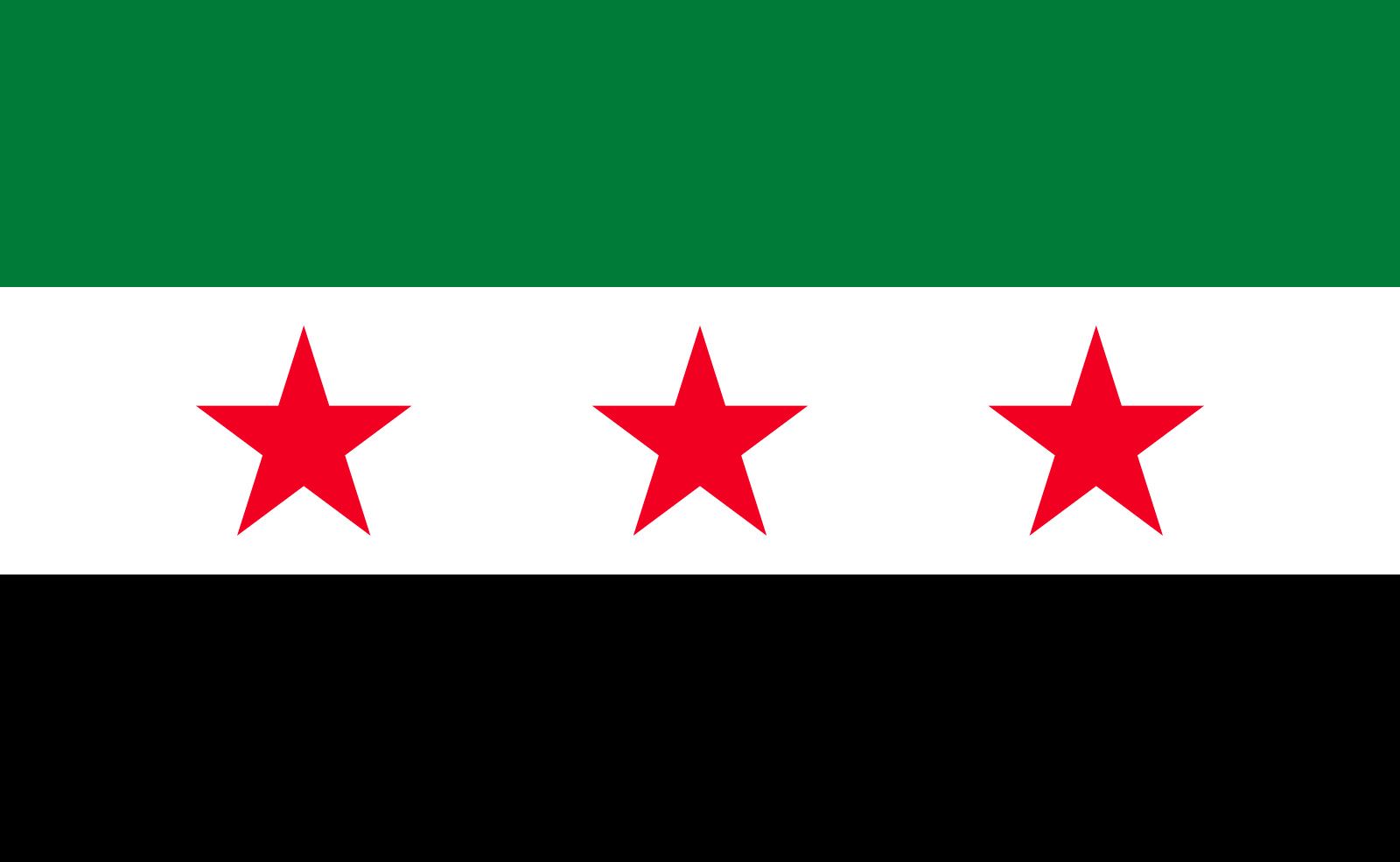
Damascus Province was affected after 2011 by political unrest, security fragmentation, displacement flows, and economic decline. The local story includes protest cycles, changing control patterns, damage to schools and hospitals, and a long social recovery path. This page preserves a full local reading context instead of a short summary.
War Phases and Local Turning Points
Damascus Province experienced distinct war phases: initial protest momentum, coercive security expansion, frontline instability, and later fragmented stabilization. Understanding these layers is essential to explain why local institutions, property rights, and everyday mobility changed so dramatically over time.
Displacement, Services, and Daily Survival
Families in this province navigated displacement, return attempts, interrupted schooling, health system pressure, and volatile prices. Community support networks, remittances, and informal adaptation strategies became central to survival as formal systems weakened.
Reading the Province Today
Post-2018 reality is not a simple “after war” stage. The province still reflects unresolved governance questions, uneven reconstruction, youth unemployment, and memory trauma. A full reading requires linking historical identity to current livelihoods and long-term civic recovery.